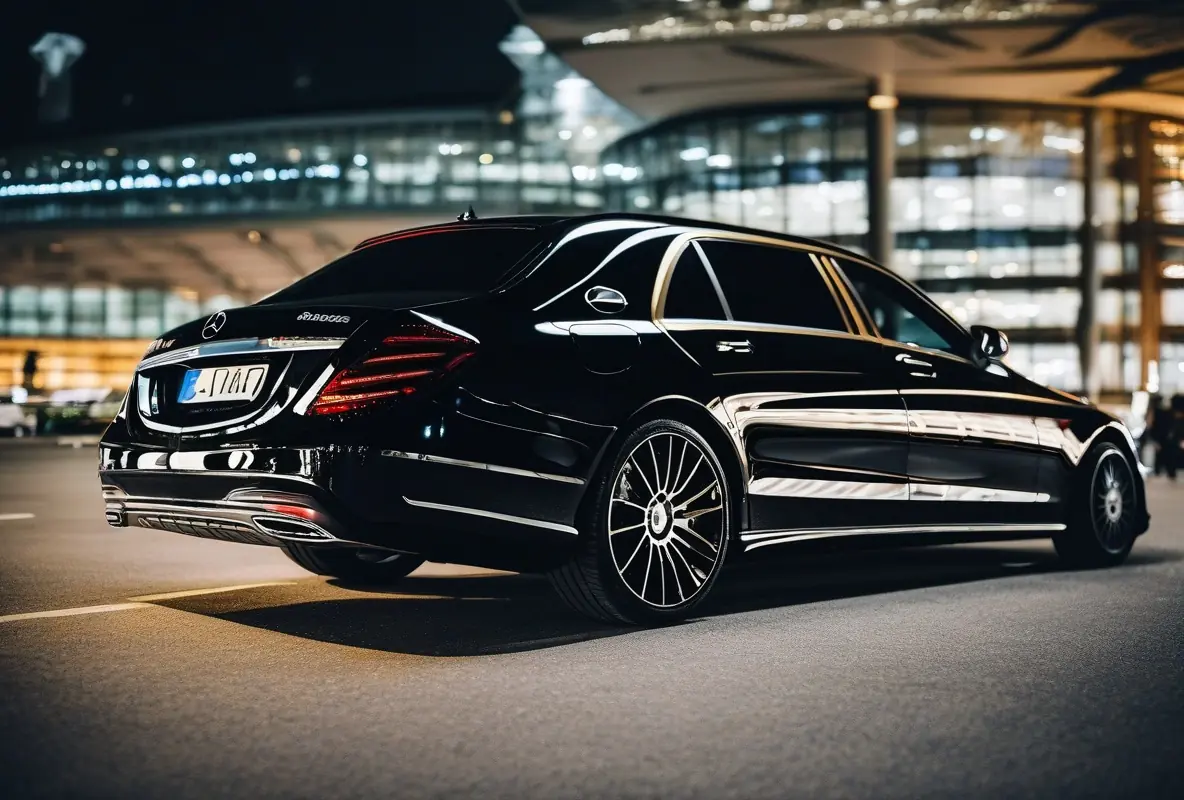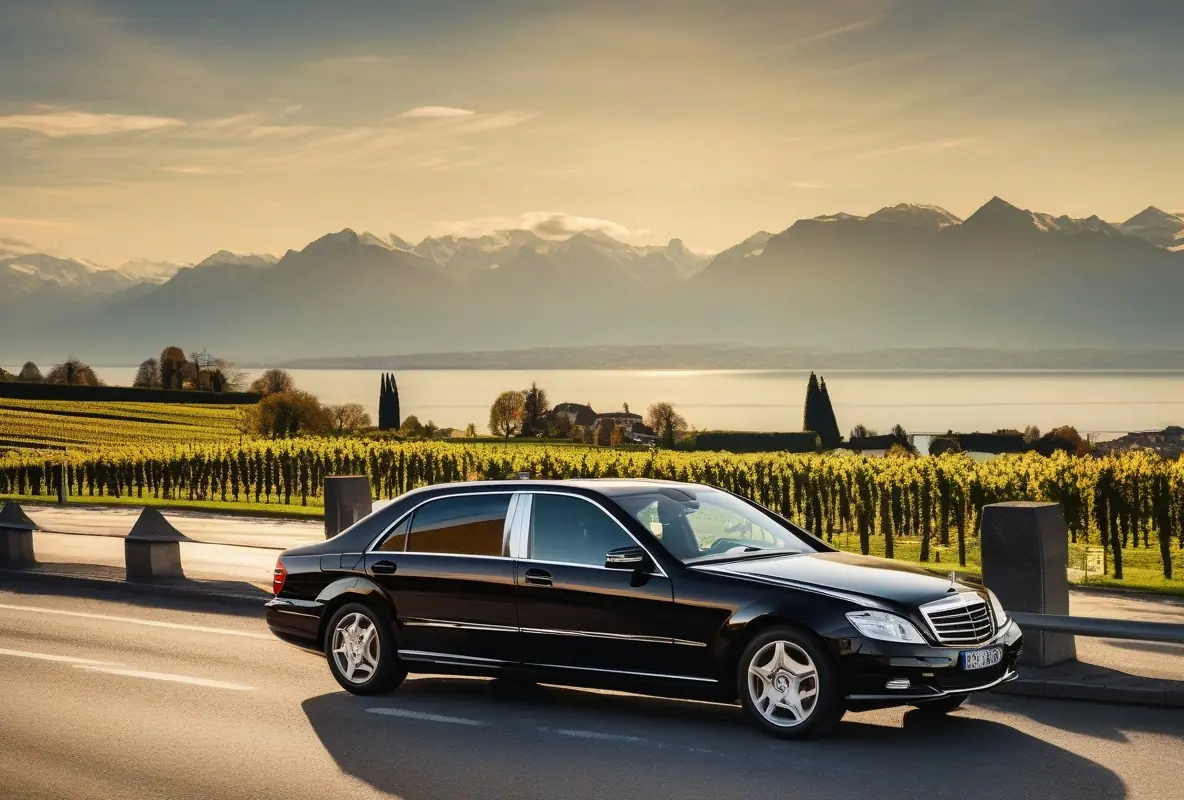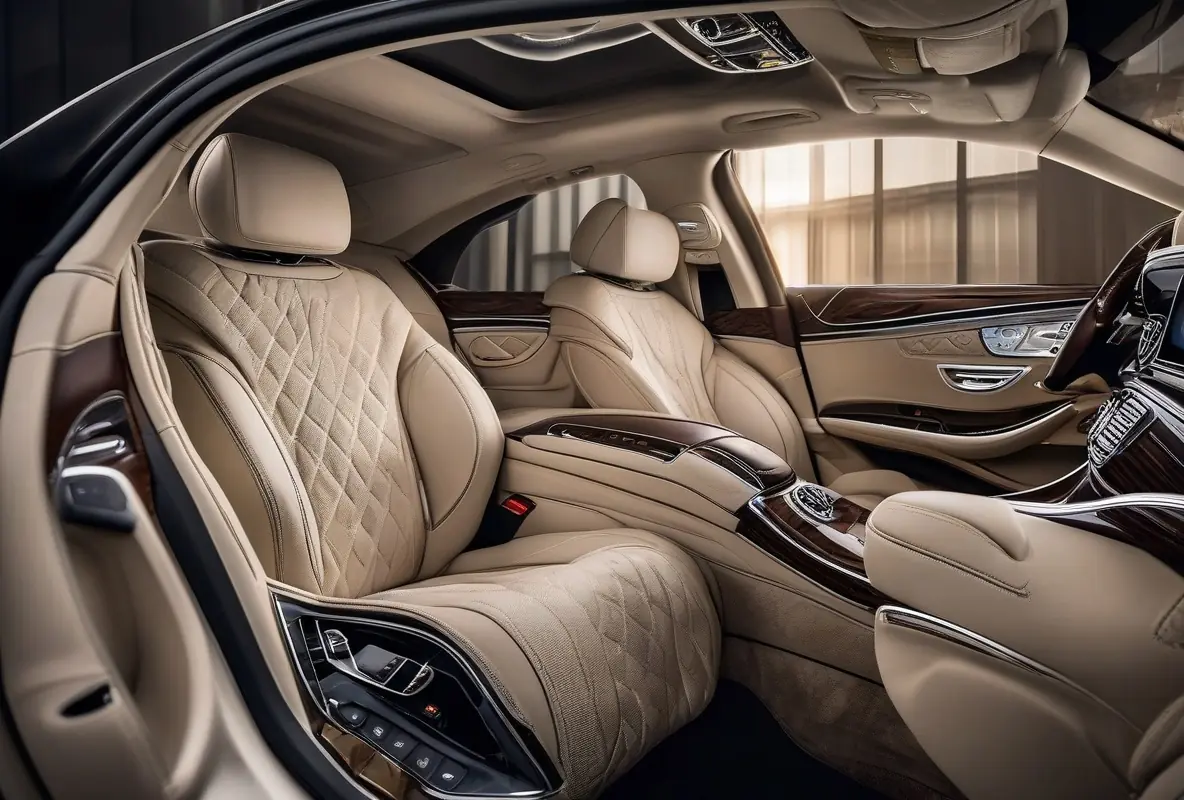
Zurich offers an unusual mix of compact medieval old town, lakefront promenade, mountain backdrop and global financial sophistication, all inside an urban area small enough to traverse on foot or by short transfer. The Bahnhofstrasse, the Lindenhof, the lakeside Bürkliplatz, the Üetliberg viewpoint and the Niederdorf alleys are all within a fifteen-minute drive of one another, yet each delivers a distinct character. For visitors who want to absorb Zurich at their own pace rather than the speed of a coach tour, a private chauffeur is the operational answer.
This guide describes the half-day, full-day and two-day tour structures First Limo operates, the photo-location logistics, the museum and extended options for weather contingencies, and the customisation that adapts the tour to a family, an art-focused traveller or an architecture enthusiast.
Why a Private Chauffeur Tour Beats Public Alternatives
Public sightseeing tours operate on fixed schedules and fixed routes. The coach stops where the operator has agreed to stop, for the duration the operator has agreed to allocate, and moves on regardless of the visitor's interest or fatigue. The visitor's role is to observe; the operator's role is to deliver the standard package.
A private chauffeur reverses the relationship. The visitor sets the pace, the stops and the focus. A morning at the Kunsthaus that runs long can simply run long; the chauffeur waits, and the rest of the day shifts accordingly. A coffee in the Niederdorf that stretches into an hour-long conversation is not a problem; the chauffeur uses the time to confirm the next destination's parking and brief the next location's specifics. The weather changes from sun to rain at midday; the chauffeur swaps the Üetliberg stop for the Swiss National Museum without protest.
The customisation dimension matters as much as the pacing. A family with two children of different ages, an art-collector couple, a corporate group on a Friday afternoon break, an architecture student spending a long weekend in the city — these have nothing in common except their starting hotel. Each receives a different tour, planned in advance and executed by a chauffeur who has run variants of these tours hundreds of times.
Half-Day Itinerary in Detail
The half-day Zurich tour runs three to four hours and covers the essential sights. Pickup is at the guest's hotel — typically the Baur au Lac, The Dolder Grand, the Widder, the Park Hyatt, the Storchen or a comparable address — between 09:30 and 10:30 for the morning option, or 13:30 to 14:30 for the afternoon.
The route opens on Bahnhofstrasse, Zurich's signature shopping avenue, and progresses to Paradeplatz, the city's banking heart and the visual anchor of Swiss finance. From Paradeplatz, the chauffeur drives or, for shorter circuits, parks while the guests walk the short pedestrian route up to the Lindenhof — the elevated platform that gives the canonical view across the Limmat to the Grossmünster and the old town's rooftops.
From the Lindenhof, the route descends to the Limmat and crosses to the Grossmünster, whose twin towers define the Zurich skyline and whose interior holds the heritage of the Swiss Reformation. The neighbouring Fraumünster holds the Marc Chagall stained-glass windows, completed in 1970 — five windows in the apse depicting biblical scenes that draw visitors from far beyond Switzerland. St. Peter, around the corner, claims the largest clock face in Europe at 8.7 metres in diameter.
From the church cluster, the route opens to the lake at Bürkliplatz, the lakefront square that serves as the city's primary lake-access point. The Quaibrücke crosses the Limmat outflow and offers the iconic skyline composition with the towers behind, the lake ahead, and the Alps on a clear day forming the southern horizon.
The half-day tour closes with a viewpoint stop at the Üetliberg, Zurich's house mountain at 871 metres above sea level. The summit is reached by road in fifteen minutes; the viewing platform delivers a panorama covering the entire city, the lake, the surrounding agricultural landscape and the Alps. For the afternoon tour, the Üetliberg stop times to the early-evening light; for the morning tour, the chauffeur returns the guests via the Lindenhof on the way back.
Full-Day Itinerary
The full-day tour extends the half-day programme into a six-to-eight-hour itinerary. The morning covers the city core — Bahnhofstrasse, Lindenhof, Grossmünster, Fraumünster, Niederdorf — and progresses to the Limmatquai for a coffee stop before the longer transfer south along Lake Zurich.
The lakeside drive runs through Kilchberg — home of the Lindt Home of Chocolate, fifteen minutes from the city centre — and continues to the Au peninsula, twenty-five minutes from Zurich. The Au winery offers private tastings on its terrace above the lake; the combination of the wine tasting and a light lunch is one of the day's anchors.
From Au, the tour continues to Rapperswil-Jona, forty minutes from Zurich. The medieval castle of Rapperswil sits on a small hill above the lake, surrounded by the rose gardens that give the town its nickname as the "city of roses". Rapperswil is the right turning point for the day; the return route circles through Zurich West — the formerly industrial district whose conversion into a cultural and dining quarter is one of the city's most distinctive transformations of recent decades — passing the Prime Tower and the Frau Gerolds Garten before returning to the hotel.
For groups whose interests lean towards specific sites, the full-day tour adapts. The Lindt Home of Chocolate is the right addition for families; the FIFA Museum near the Sihlpark suits sport-interested guests; the Zoo Zürich with its Masoala rainforest and Lewa Savanne is a natural full-day destination in its own right.
Two-Day Extended Option
The two-day Zurich programme adds a day trip on the second day. The most common pairing is Mt. Rigi or Mt. Pilatus on Lake Lucerne, accessible by chauffeur within an hour from Zurich. The day starts with a 08:30 pickup, runs to the chosen valley station, takes the mountain railway to the summit, returns to Zurich in the late afternoon and closes with a different city dinner — typically in Zurich West for variety from the first day's centre routing.
An alternative second day stays closer to the city: a morning at the Kunsthaus with its expanded Bührle collection, a lunch in the old town, an afternoon at the Rietberg Museum's non-European art collections, and a closing visit to the Le Corbusier Pavilion on the lakeshore — the architect's last completed building, now operated as a museum of his work.
Museums and Indoor Options
For weather contingencies or for guests whose interests lean towards art and culture, Zurich's museum density supports an indoor day with no loss of substance. The Kunsthaus Zürich houses the country's most comprehensive collection of European modern art; the Bührle collection's integration has added significant Impressionist and Post-Impressionist holdings. The Swiss National Museum (Landesmuseum) occupies the imposing fortress-castle building directly behind the main train station and presents Swiss history from prehistory to the present.
The Rietberg Museum, in the leafy Enge district, holds the country's most important collections of art from Asia, Africa, Oceania and pre-Columbian America. The Le Corbusier Pavilion (Heidi Weber Museum) on the lakeshore is a small but architecturally definitive structure, the only Le Corbusier building of its kind in the world.
For families, the Zurich Zoo is a destination in its own right, with the Masoala rainforest hall and the Lewa Savanne being among Europe's most ambitious zoo habitats. The Swiss Toy Museum and the Tram Museum offer specialist appeals.
Photo Locations and Timing
For photographers, the chauffeur knows the timing that turns a routine view into a strong picture. Bahnhofstrasse at the "blue hour" — approximately 16:30 in winter, 21:00 in summer — combines the shop windows' interior lighting with the residual sky tone. The Üetliberg at sunset, particularly on autumn days when the haze sits in the valley, is the canonical Zurich panorama. Bürkliplatz in the early morning, before the lake traffic builds, gives a clear waterline image of the skyline.
The Schipfe alley along the Limmat, with its cobblestones and the river running directly past the building fronts, is the most photographically distinctive of the old-town fragments. The chauffeur times the Schipfe stop to mid-morning when the light reaches the alley but the visitor density remains low.
Multilingual Chauffeurs and What They Add
First Limo's Zurich tour chauffeurs speak German, English, French and Italian; Arabic is available for guests from the Gulf region. The language is the entry; the substantive contribution is the chauffeur's knowledge of Swiss history, the city's specific cultural references, restaurant recommendations matched to the guest's preferences, and the question-answering role that a coach guide cannot deliver one-to-one.
The chauffeur is not a museum-quality guide; the city's official museum guides and audio guides cover the deeper interpretive layer. The chauffeur provides the connecting context — what the Reformation meant in Zurich, why Bahnhofstrasse runs where it does, what the bridges' names refer to, how the trams interact with private traffic — that makes the city legible.
Hotel Pickup Logistics
First Limo collects from the guest's hotel directly. The Baur au Lac on the lakefront has an established valet routine; the chauffeur calls ahead and the doorman handles the door. The Dolder Grand, elevated above the city on the Adlisberg, is reached by the dedicated approach road; the chauffeur waits in the forecourt. The Widder in the old town requires the chauffeur to use the designated pickup slot due to the pedestrian-zone limitations around the hotel. The Park Hyatt's central location places the pickup in the main forecourt. The Storchen on the Limmat has a smaller forecourt that fills at peak hours; timing matters.
For boutique and smaller hotels, the chauffeur confirms the pickup point at booking and adjusts based on the specific street access.
Customisation: Family, Art, Architecture, Wellness Variants
The Zurich tour adapts to the guest's interests. The family variant moves earlier in the day, builds in the Zoo or the FIFA Museum, allocates substantial time to the chocolate factory at Kilchberg, and shortens the museum component.
The art-focused variant compresses the city walking tour into a morning and dedicates the afternoon to the Kunsthaus, the Rietberg or the Migros Museum für Gegenwartskunst depending on the visitor's preference.
The architecture variant routes through Le Corbusier's Pavilion, the Tamedia building by Shigeru Ban, the Prime Tower and the Zurich West redevelopment, with a closing visit to the ETH Hönggerberg campus for those interested in academic architecture.
The wellness variant pairs a morning of light city sightseeing with an afternoon at the Thermalbad and Spa Zürich — the former Hürlimann brewery converted into a thermal bath — followed by a quiet dinner in the old town.
Seasonal Considerations
Zurich operates year-round but the season changes the tour's content. Sechseläuten, the spring festival held on the third Monday of April, features the burning of the Böögg snowman; tours that fall during the festival adapt to the closed streets and the parade routing. The Street Parade in August fills the city with the largest techno festival in Europe; for tour guests, this is either a destination or a constraint depending on preference.
Zürifäscht, the city's three-yearly summer festival, is the largest event in the Swiss calendar by attendance. The Christmas market season, from late November through Christmas Eve, transforms the Niederdorf and the Bahnhofstrasse into illuminated environments; the Lichterschwemmen on the Bahnhofstrasse, the Werdmühleplatz Christmas tree, and the dignified Christmas illuminations are all part of the season's photographic and cultural content.
Reserve Your Private Zurich Tour
Contact First Limo to plan your private Zurich tour. We confirm the structure — half-day, full-day or extended — match the chauffeur to your language and interests, build the routing around your hotel and your priorities, and deliver a day that reflects what you actually want to experience of Zurich rather than what a standard tour template assumes.
Loading...